December 5, 2025
Installing new rain gutters can be a significant investment in protecting your home from water damage. Understanding the installation process can help you prepare and ensure a successful project. By familiarizing yourself with each step, you can make informed decisions and work seamlessly with your chosen professionals. Let's dive into the details of how to make your rain gutter installation a success.
Initial Assessment and Planning
Beginning with an initial assessment, your installer will evaluate the current gutter system, identifying key issues like leaks or sagging. This evaluation ensures that all existing concerns are addressed before proceeding further. Alongside this, understanding your home's drainage needs is crucial for selecting the appropriate system. Once the assessment is complete, your contractor will provide recommendations tailored to your home's specific requirements. This stage sets the foundation for a successful installation by aligning expectations and solutions.
Deciding on the right gutter type and material is the next step in the planning process. Homeowners can choose from materials like aluminum, copper, steel, or vinyl, each having distinct advantages. Aluminum gutters, for instance, are lightweight and resistant to rust, making them a popular choice. The decision process should also consider aesthetic preferences and durability to ensure long-lasting satisfaction. With the information provided, you can confidently select a system that meets both budgetary and functional needs.
The financial aspect of the rain gutter installation is critical, as it involves estimating costs and setting a suitable budget. This step requires evaluating different options and receiving quotes from various contractors for comparison. A well-defined budget helps prevent unexpected costs and ensures that the project remains on track financially. Beyond budgeting, obtaining necessary permits is another significant consideration, involving local regulations and homeowner association guidelines. Together, these steps prepare the groundwork for a seamless, trouble-free installation project.
Preparation and Setup
Preparation begins with readying the area around the installation site. This involves removing any obstacles and ensuring easy access for the installation team. Protecting landscape features and your home's exterior is vital to prevent accidental damages. Proper preparation fosters an efficient working environment and contributes to a smoother installation process. By undertaking these efforts, you ensure that the installation team can focus solely on their tasks without unnecessary distractions.
Gathering and inspecting materials is a subsequent step that ensures everything needed for rain gutter installation is readily available. This involves checking for quality and completeness to avoid delays during the process. Alongside material logistics, the setup of safety equipment plays an essential role in protecting both workers and your property. Proper safety protocols minimize risks and reinforce the confidence of everyone involved. With materials sorted and safety measures in place, the process is set up for efficiency and reliability.
When it comes to planning downspout placement, strategic consideration is essential for optimal drainage effectiveness. Though often overlooked, the placement of downspouts significantly influences overall gutter performance. Marking gutter run lines follows, guiding installers during rain gutter installation and maintaining accuracy. According to This Old House, gutters should slope a minimum of 1/4 inch for every 10 feet of their length. This crucial detail is taken into account during preparation, contributing to the long-term resilience of your new gutter system.
Removal of Old Gutters
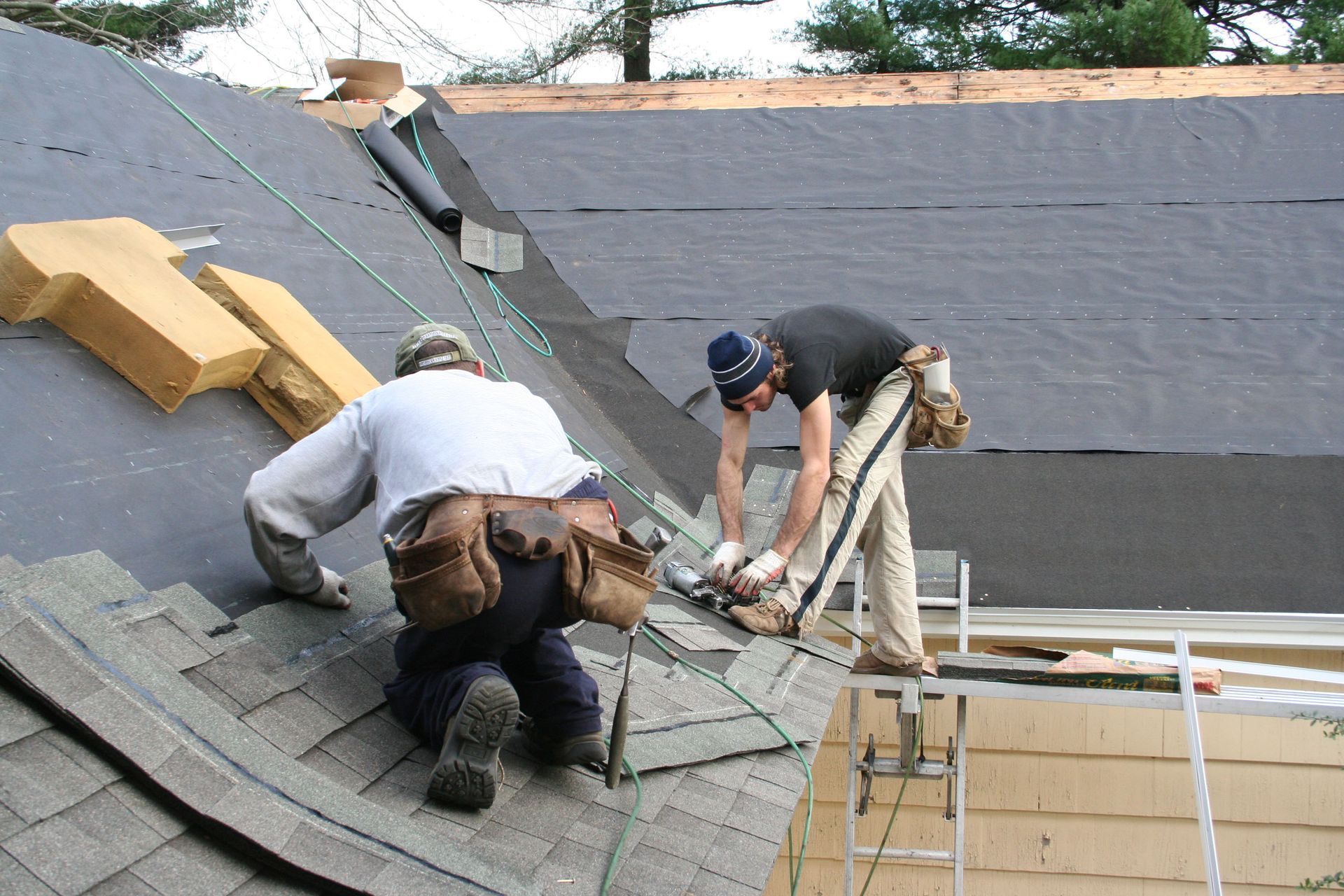
Safety precautions are the priority before the removal of old gutters begins. Ensuring workers are equipped with protective gear such as gloves and helmets is essential. Moreover, stabilizing ladders and checking for overhead wires prevents potential accidents during this process. Once all safety protocols are established, dismantling the existing gutter system follows systematically.
After dismantling, attention shifts to repairing any damaged fascia and soffit areas. This is crucial, as unaddressed damages can compromise the attachment of new gutters. Taking the time to reinforce these structures and ensure their condition supports the longevity of the newly installed system. In cases where significant repairs are necessary, discussing options with the contractor allows for a strategic approach that aligns with the installation goals. Repairing and reinforcing these areas establishes a firm foundation for the new gutters.
Disposing of the old gutter material is the concluding task after ensuring all necessary repairs are made. Recycling these materials whenever possible is both environmentally responsible and often beneficial financially. Once disposal is complete, inspecting the underlying roof structure allows for any additional issues to be identified. This comprehensive inspection reveals the integrity of the roof, ensuring that no potential problems are overlooked. This thorough approach reinforces the effectiveness of the new rain gutter installation.
Installation of New Gutters
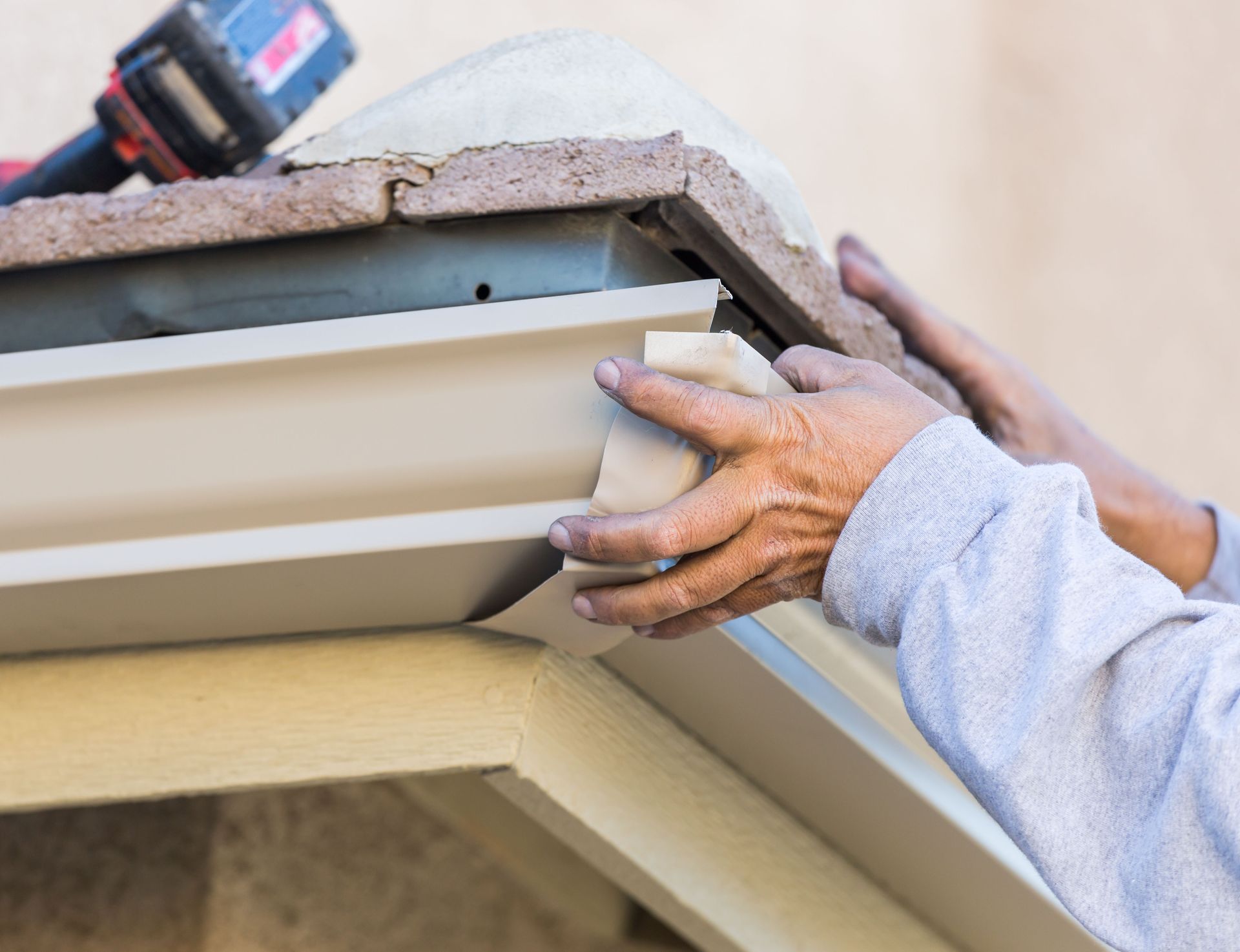
The installation of new gutters begins with cutting and assembling gutter sections. Precision is key at this stage to ensure each section fits seamlessly, promoting a neat appearance and effective performance. Technicians employ various tools to cut sections to the accurate length and align them correctly. This meticulous process sets the stage for a functional and aesthetically pleasing result. By focusing on precision, installers can confidently proceed with the subsequent steps, knowing the initial foundation is secure.
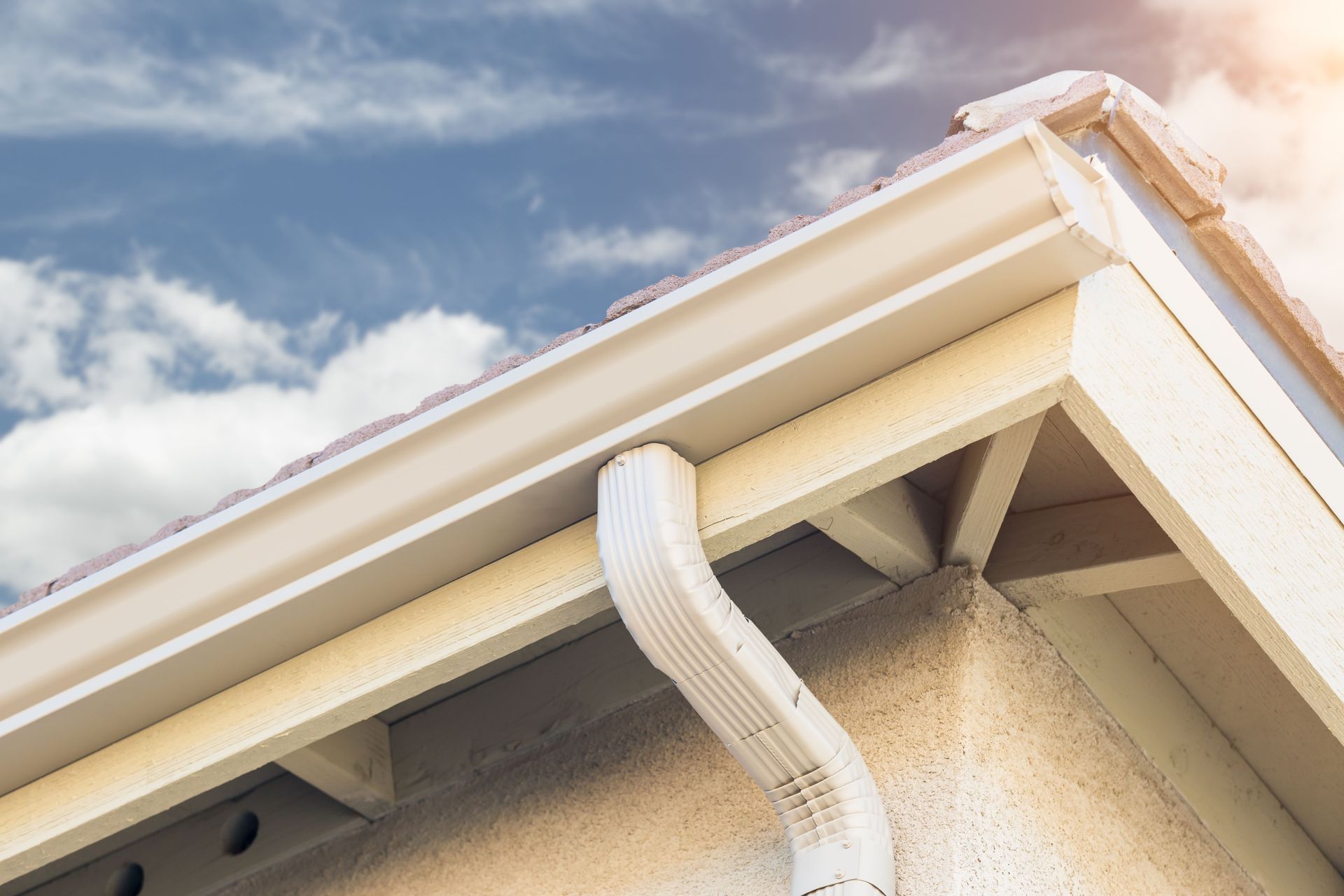
Attaching brackets and supports follows, providing the necessary structural reinforcement. These elements play an integral role in maintaining the gutter's stability over time. Proper spacing and secure attachment contribute to the longevity and reliability of the system. The next focus is on installing downspouts and extensions, ensuring that water is directed away from the foundation effectively. Strategic placement and careful rain gutter installation prevent future drainage issues and protect the home's structure.
Ensuring a proper slope for water flow is crucial, as confirmed by experts such as This Old House, who recommend a minimum of 1/4 inch slope per 10 feet of gutter run. This slope allows water to flow unobstructed, reducing the likelihood of pooling and related issues. Ensuring a consistent slope across the entire system is detailed work but vital for the system's overall performance. Once the slope is achieved, sealing joints and seams prevents leaks, securing the gutter system against potential water damage.
Final Inspection and Testing
Once installation is complete, the final inspection and testing phase begins with conducting water flow tests. These tests confirm that water runs smoothly through the system without obstructions. Identifying and addressing any weaknesses or potential blockages during this phase is crucial for a flawless system. Each section is methodically evaluated, ensuring that no areas are overlooked.
Simultaneous to water flow testing, checking for leaks and weak points ensures that joints and seams hold firm. Any identified vulnerabilities are promptly addressed with additional sealing or adjustments. This level of attention to detail minimizes the chances of future issues arising unexpectedly. Evaluating the alignment and stability also occurs, confirming that brackets and supports remain firm.
A comprehensive evaluation covers confirming downspout functionality and ensuring water is expelled at safe distances from the home's foundation. The final walkthrough with the installation team offers an opportunity to review work and resolve any homeowner questions or concerns. This collaborative approach between homeowner and installer finalizes the project on a positive note. With inspection and testing complete, you're assured of a high-quality installation that addresses all water management needs.
Understanding what to expect during a rain gutter installation can demystify the process, ensuring a smooth experience. From initial planning to final inspection, each step is essential for building a reliable gutter system that protects your home. With knowledge and preparation, your investment in rain gutters will yield significant long-term benefits for your property. Contact Garcia Construction today to schedule a consultation and ensure your home is fully protected.