December 1, 2025
Knowing the impact of wind and hail damage on home insurance claims is essential for every homeowner seeking to protect their property and financial investment. Severe weather conditions often cause significant property damage, prompting the need for insurance claims that can vary greatly in complexity, documentation requirements, and potential payout outcomes. Successfully navigating these claims effectively requires both thorough preparation, detailed record-keeping, and a clear understanding of how insurance companies evaluate, process, and respond to weather-related losses while ensuring compliance with policy terms and coverage limits.
Understanding how wind and hail affect home structures, insurance coverage, and the claims process empowers homeowners to protect their investments with greater confidence. Partnering with an experienced roofing company ensures that every stage—from preparation to recovery—is handled with expertise and precision. By taking a proactive approach, homeowners can prevent costly damage, streamline insurance claims, and maintain lasting protection for their property through every storm season.
Understand Wind and Hail Damage
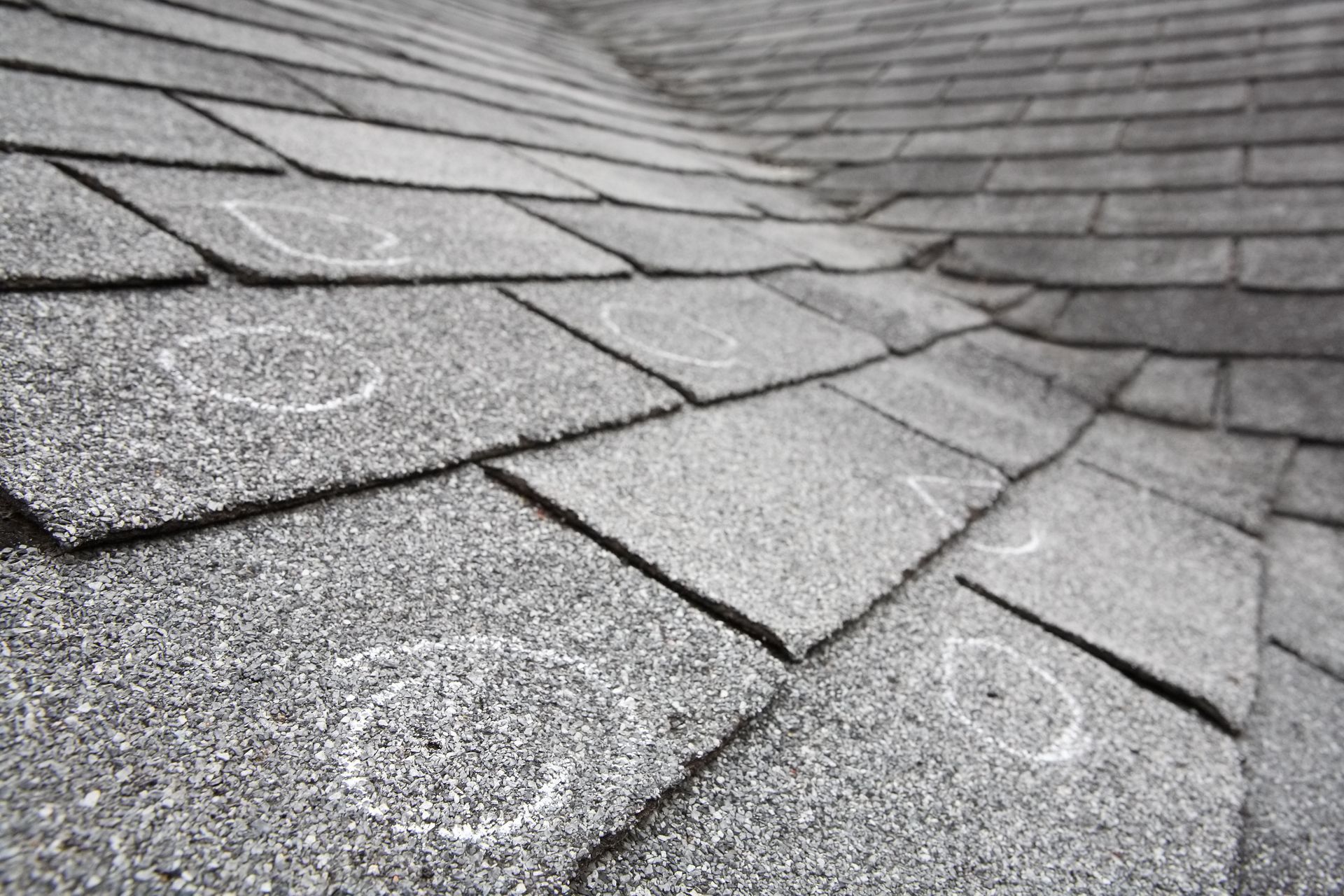
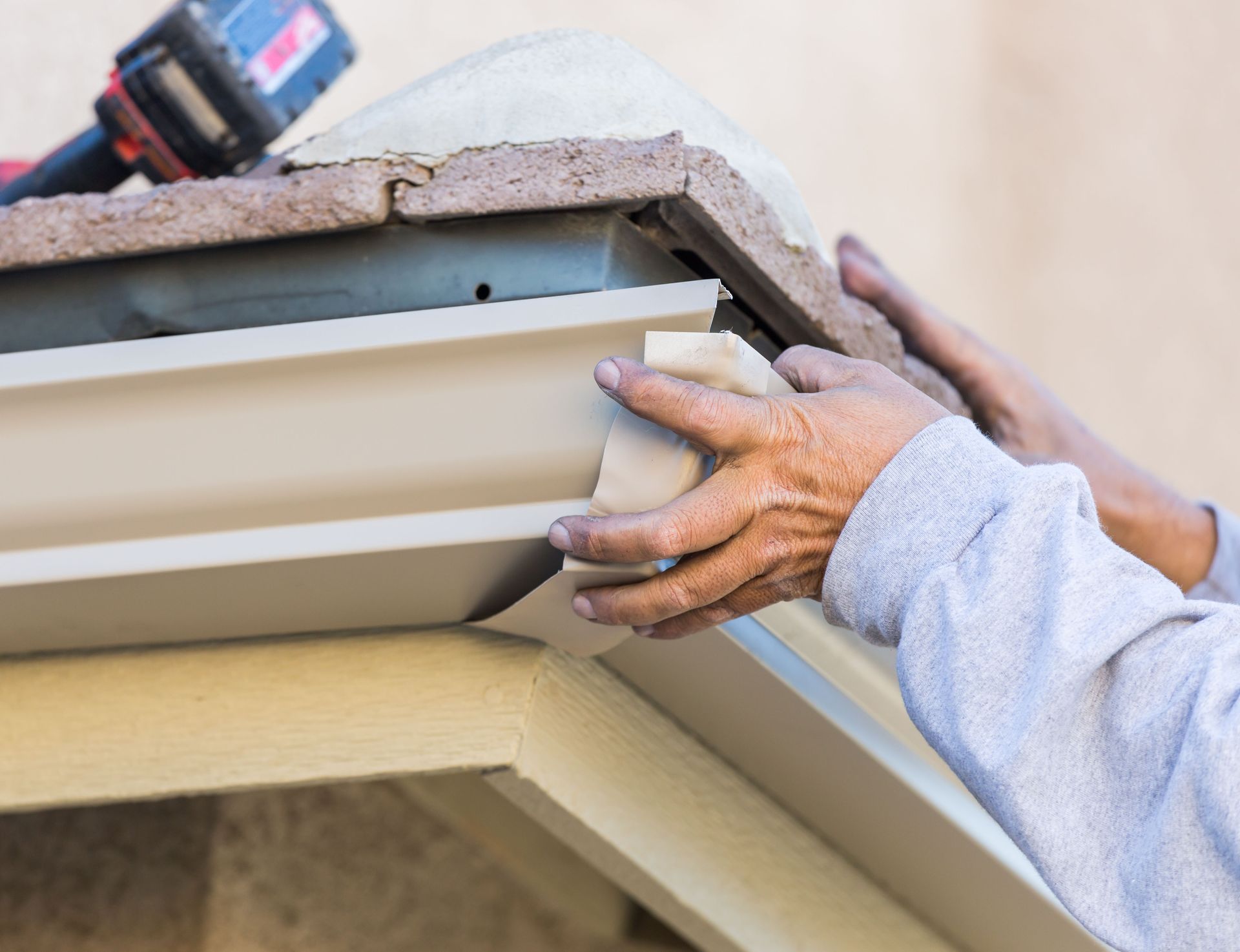
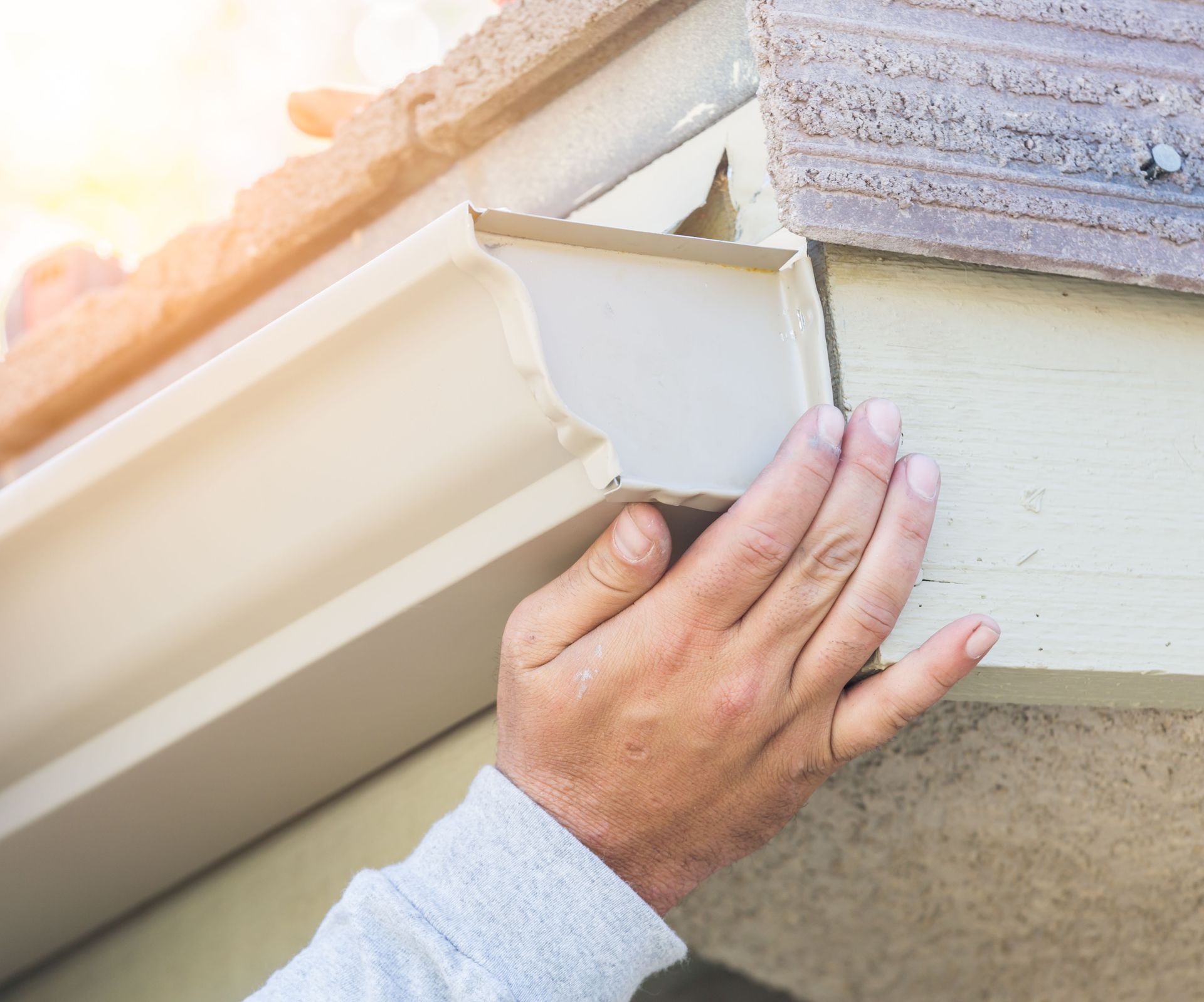
Wind and hail damage stem from powerful weather events such as tornadoes, hurricanes, and severe thunderstorms. High winds can tear shingles from roofs, dislodge gutters, and even compromise the framing of a home. Hailstones, depending on their size, can dent roofs and siding, crack shingles, and shatter windows. Because these storms are unpredictable, they pose a significant financial and structural risk for homeowners across many regions. Partnering with a reputable roofing company ensures these risks are identified early and properly managed.
Weather systems that generate such damage are often influenced by jet streams, temperature shifts, and strong updrafts within storm clouds. When air currents carry moisture into freezing layers, hailstones form and grow in size before falling with destructive force. Similarly, wind damage results from rapid changes in atmospheric pressure that intensify storm systems. Homeowners who understand these patterns are better equipped to prepare—especially when supported by a roofer familiar with preventive reinforcement and post-storm inspection practices.
According to the Insurance Information Institute, damage from hail and wind accounts for over 40% of all homeowners insurance claims. This figure underscores the widespread nature of these losses and the financial impact they create. Because such weather events are so common, insurers often adjust premiums and policies based on local exposure levels. Homeowners can reduce their vulnerability by maintaining their roofs, scheduling inspections, and working with a professional roofer that understands how to document and prevent future damage.
Review Home Insurance Coverage
A standard homeowners policy typically includes coverage for damage caused by wind and hail. This coverage often extends to structural repairs, replacement of damaged materials, and additional living expenses if the home becomes uninhabitable. However, coverage terms vary widely among providers. Some policies include limitations or separate deductibles specifically for storm-related damage. Reviewing these details carefully helps homeowners understand their level of protection before a loss occurs. Consulting both an insurance agent and a roofing company ensures coverage and repair expectations are aligned.
Many policies also contain clauses related to maintenance and repair standards. Insurance providers may require proof that a home was properly maintained to approve claims, especially for roofing damage or structural concerns. Neglect, aging materials, or improper repairs can lead to partial reimbursement or denial of coverage altogether. A certified roofer can provide the detailed documentation, inspection records, and maintenance history needed to show that repairs and upkeep meet industry standards, greatly strengthening the homeowner’s position if a claim is contested.
Exclusions are another critical aspect to watch for. Some insurers exclude older roofs, detached structures, or damage caused by gradual wear and tear. Understanding these limitations allows homeowners to make informed decisions about supplemental riders or upgrades. Optional coverage additions can protect valuable property or cover the full cost of replacing damaged materials. Proactively discussing these details with your insurer—and verifying repair compliance with a roofing company—can save substantial time and frustration after a storm.
Navigate the Claims Process
The insurance claims process begins with careful documentation. After a wind or hail event, homeowners should take photos and videos of all visible damage, noting dates and descriptions for accuracy and completeness. Even small details like dented gutters, displaced shingles, broken siding, or minor debris can significantly strengthen a claim. A roofing company can assist by providing professional assessments, detailed reports, and measurements that thoroughly validate the extent of the damage for insurance adjusters, helping to prevent disputes or delays in processing.
Once documentation is in place, the next step is filing the claim. Homeowners must report the incident promptly and include all necessary details such as the date, nature of the storm, areas affected, and the immediate steps taken to mitigate further damage. Providing receipts, estimates, and temporary repair invoices ensures the claim is processed efficiently and accurately. Insurers may request forms outlining property details, repair costs, and contractor recommendations—having a roofer supply a written repair estimate helps establish a realistic, verifiable claim amount and demonstrates that repairs will meet professional standards.
The insurer will assign an adjuster to inspect the property and confirm the reported damage. It’s important to cooperate fully, provide complete access to all affected areas, and have all supporting evidence organized and ready. Many homeowners invite their roofing company representative to be present during this inspection to clarify repair needs, provide technical explanations, and answer specific questions about materials or structural concerns. This collaboration ensures a fair evaluation, minimizes miscommunication, and prevents misunderstandings about the scope of required work. Maintaining a transparent, methodical, and organized approach throughout the claims process promotes faster settlements, higher likelihood of full reimbursement, and better overall outcomes for homeowners.
Strengthen Prevention and Repairs
Preventive maintenance is one of the most effective strategies to reduce the risk of wind and hail damage. Regular roof inspections identify loose shingles, damaged flashing, or weak structural points that could worsen during storms. Homeowners in high-risk regions should schedule at least one professional inspection annually. A qualified roofing company can recommend materials designed to withstand severe weather, such as impact-resistant shingles or reinforced underlayment systems.
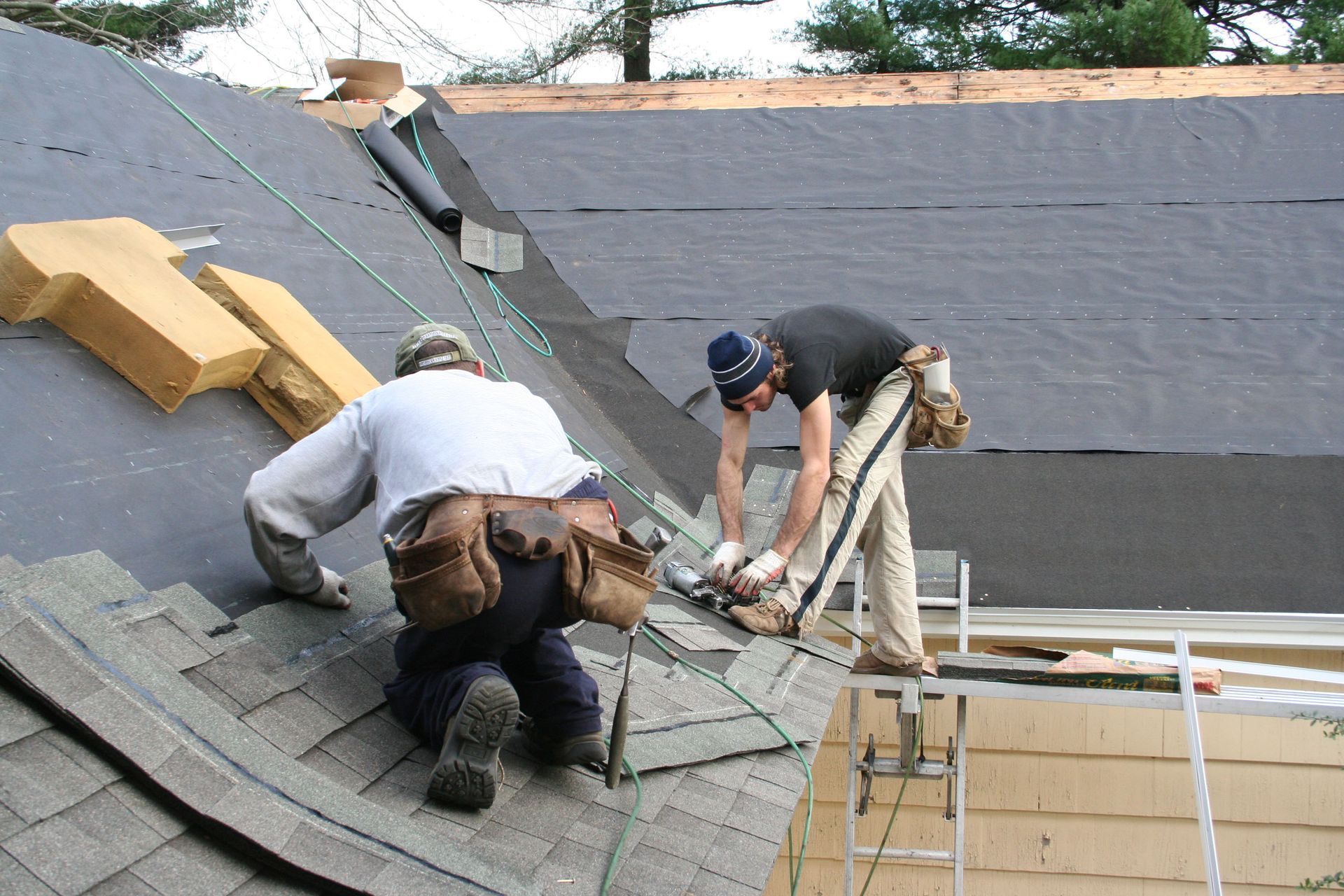
When a storm does occur, prompt repairs are crucial to preventing additional damage. Temporary fixes, like tarping holes or sealing leaks, protect interiors while awaiting permanent restoration. Many insurance policies require proof that homeowners took reasonable steps to minimize losses, so keeping invoices and photos of temporary measures is essential. Working with a roofing company experienced in insurance repairs ensures that all documentation meets insurer standards, facilitating smoother claim approval.
Long-term protection involves combining maintenance, quality materials, and proper installation. Investing in stronger roofing systems not only reduces repair frequency but may also qualify homeowners for premium discounts. Continuous upkeep safeguards structural integrity and preserves resale value. By maintaining close communication with both insurers and roofing professionals, homeowners can create a proactive defense plan that balances affordability with durability—offering peace of mind through every storm season.
Wind and hail damage represent a significant share of homeowner insurance claims each year, reflecting the growing importance of preparation and maintenance. Understanding how these events affect your home and policy can make the difference between a smooth recovery and a stressful claims process. Reviewing your coverage, documenting damages thoroughly, and working closely with an experienced roofer ensures stronger protection and faster resolutions.
At Garcia Construction, we help homeowners prepare for and recover from storm damage with professional inspections, repairs, and documentation support. Let’s work together to keep your roof secure and your insurance claims simple—contact us today to schedule your inspection.